
7 Essential Maintenance Steps to Extend the Life of Your Boat

7 Essential Maintenance Steps to Extend Your Boat’s Lifespan
Regular maintenance is essential to keep your boat safe, high-performing, and long-lasting. Here are the fundamental maintenance steps you should take to protect your vessel’s health and ensure a smooth cruising experience:
1. Engine Maintenance
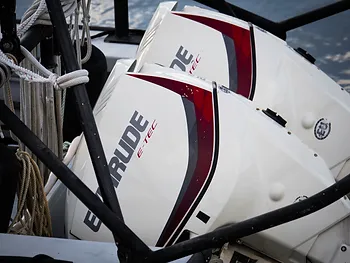
The engine is the heart of your boat. Essential regular maintenance includes:
Check oil levels and perform oil changes at regular intervals.
Replace fuel filters consistently.
Monitor cooling system water levels and regularly inspect antifreeze levels.
2. Electrical System Maintenance
The electrical system is critical for both safety and comfort. Key steps for electrical upkeep include:
Regularly check battery voltage.
Clean battery terminals and apply specialized greases for protection.
Inspect switches and circuit breakers; lubricate them when necessary.
3. Hull Maintenance
Follow these steps to protect your boat’s hull, enhance performance, and prevent marine growth:
Protect the hull bottom with anti-fouling paint.
Repair any cracks in the hull immediately.
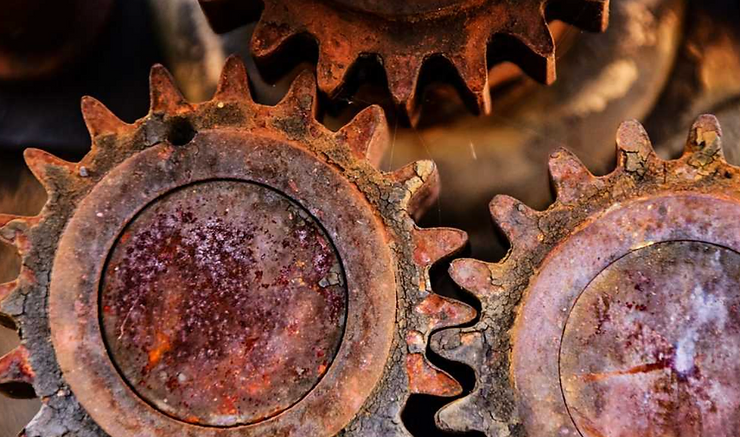
Protect metal components against corrosion and rust.
4. Navigation Equipment
For accurate and safe navigation, your equipment must function perfectly:
Keep GPS, radar, and other navigation systems updated.
Perform regular updates for digital and paper nautical charts.
5. Interior Systems Maintenance
Maintain the internal systems to ensure on-board comfort:
Clean and service the head (toilet) and waste systems.
Inspect water pumps and freshwater tank systems.
6. Trailer Maintenance
If your boat is transported on a trailer, do not overlook the transport system’s specific needs:
Check trailer tires and adjust pressures as needed.
Inspect and calibrate the braking system.
Regularly test lights and hitch connection points.
7. General Inspections
Routine checks to perform during daily use and cruising:
Regularly inspect connections, screws, and bolts on the deck and in interior areas.
Review deck hardware, winches, and lines (ropes).
Related Posts