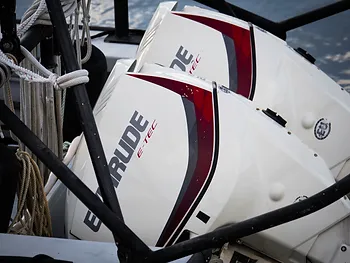

Protective Lubrication – How is the Canning Process Applied?
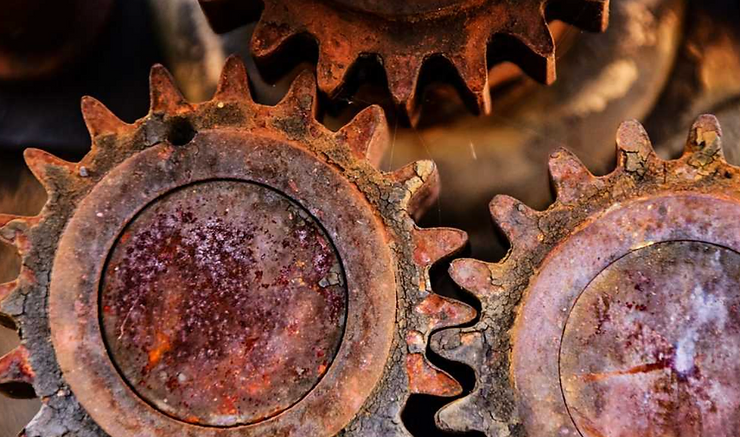
If machinery or engines are to remain idle for an extended period, the protective oil film on critical surfaces—such as cylinder liners, piston rings, main bearings, rod bearings, crankshafts, and gears—will eventually dissipate. These surfaces become exposed, and in high-humidity environments, corrosion will inevitably begin.
If an engine is started carelessly after such a long dormant period, metal-to-metal friction will occur on these surfaces, leading to rapid wear. To minimize this, during the first start-up after long-term storage, the engine should be cranked with the fuel lever in the “off” position until oil pressure is observed, ensuring pre-lubrication of all relevant surfaces.
Steps for Protective Lubrication (Preservation):
External Cleaning: Clean all exterior surfaces of dust, rust, grease, and oil. Repaint any surfaces where the paint has deteriorated.
Air Intake System: Clean air filters and housings. Inspect filters, gaskets, O-rings, and seals; replace any damaged components.
General Lubrication: Lubricate all points specified in the lubrication chart of the maintenance manual.
Oil and Filter Change: Replace the engine oil and all oil filters.
Air Starters (If applicable): If the machine has an air-start motor, fill its tank with a mixture of 50% VCI (Volatile Corrosion Inhibitor) oil and 50% engine oil.
Crankcase Protection: Add VCI oil to the crankcase at a rate of 3–4% of the total oil capacity.
Intake System Preservation: Remove air filters. Using a sprayer, apply a 50/50 mixture of VCI oil and engine oil into the intake manifold and turbocharger inlet. (Alternatively, apply through the turbo boost pressure control plug. Minimum application rate: 5.5 ml per engine displacement volume.)
Exhaust System Preservation: Spray the 50/50 VCI-engine oil mixture into the exhaust manifold.
Fuel System Cleaning: Drain the fuel from the primary fuel filter and clean the filter housing.
Pre-Filter Maintenance: Clean the fuel pre-filter. Fill the filter body with specialized “calibration oil.”
Fuel Priming: Install the clean pre-filter and use the priming pump to ensure clean fuel reaches the main filter and the engine.
Fuel Tank Protection: Open the drain valve on the fuel tank to remove water and sediment. To prevent internal rust, add VCI oil at a ratio of 30 ml per 30 liters of fuel.
Cylinder Protection: Remove injectors and/or spark plugs. Apply 30 ml of the 50/50 VCI-engine oil mixture directly into each cylinder.
Linkage Lubrication: Lubricate all exposed joints, rods, and moving parts with grease.
Sealing: Note: All openings—including air intakes, exhaust outlets, flywheel housing, crankcase breathers, and dipstick tubes—must be tightly sealed with waterproof covers.
Battery Care: Remove batteries and store them separately. Periodically check and charge them during the storage period. Cover battery terminals with plastic caps.
Belt Tension: Loosen all drive belts.
Final Covering: Cover the engine/machine in a way that is waterproof but allows for slight airflow around the unit.
Labeling: Attach a notice in a visible location on the machine indicating the preservation date and relevant notes.
Inspection: Every two or three months, remove the waterproof cover and inspect the exterior for any signs of corrosion.
Related Posts

How is vibration measured?