
Advantages of Outboard Motors
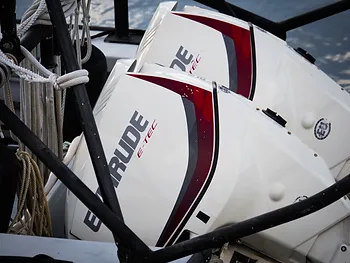
The maritime world is constantly evolving, hosting new technologies in search of safer, more efficient, and eco-friendly solutions. In this context, outboard marine engines offer a range of advantages compared to traditional inboard systems.
1. Superior Maneuverability
Outboard marine engines are propulsion systems mounted on the transom (the rear) of the vessel. This positioning allows the boat to maneuver more quickly and effectively. This provides a significant advantage, especially in ports, narrow channels, and areas with heavy traffic.
2. Shallow Draft Capability
Unlike many traditional inboard systems, outboard engines offer superior performance regarding draft (the depth of the boat below the waterline). This is particularly advantageous for vessels navigating in shallow waters. The ability to trim the engine up makes it easier to avoid underwater obstacles.
3. Energy Efficiency
Outboard engines increase energy efficiency by creating less drag against the water. Lower fuel consumption provides an eco-friendly cruising experience, contributing to the maritime industry’s sustainability goals.
4. Comfortable Cruising and Reduced Noise
Providing a comfortable experience on board, outboard engines generate less vibration and noise compared to many older systems. This feature enhances the comfort of the crew and passengers while extending the lifespan of onboard equipment by reducing structural stress.
5. Increased Usable Space
The absence of a bulky engine in the middle of the hull creates more usable interior and deck space. This provides flexibility in yacht design, offering expansive areas for various purposes and storage.
Conclusion
In conclusion, outboard marine engines represent a significant technological advancement in the industry by offering diverse advantages. As this technology becomes even more widespread in the future, maritime transportation and leisure yachting will become safer, more efficient, and more environmentally friendly.
Related Posts